Oxytocin Therapy
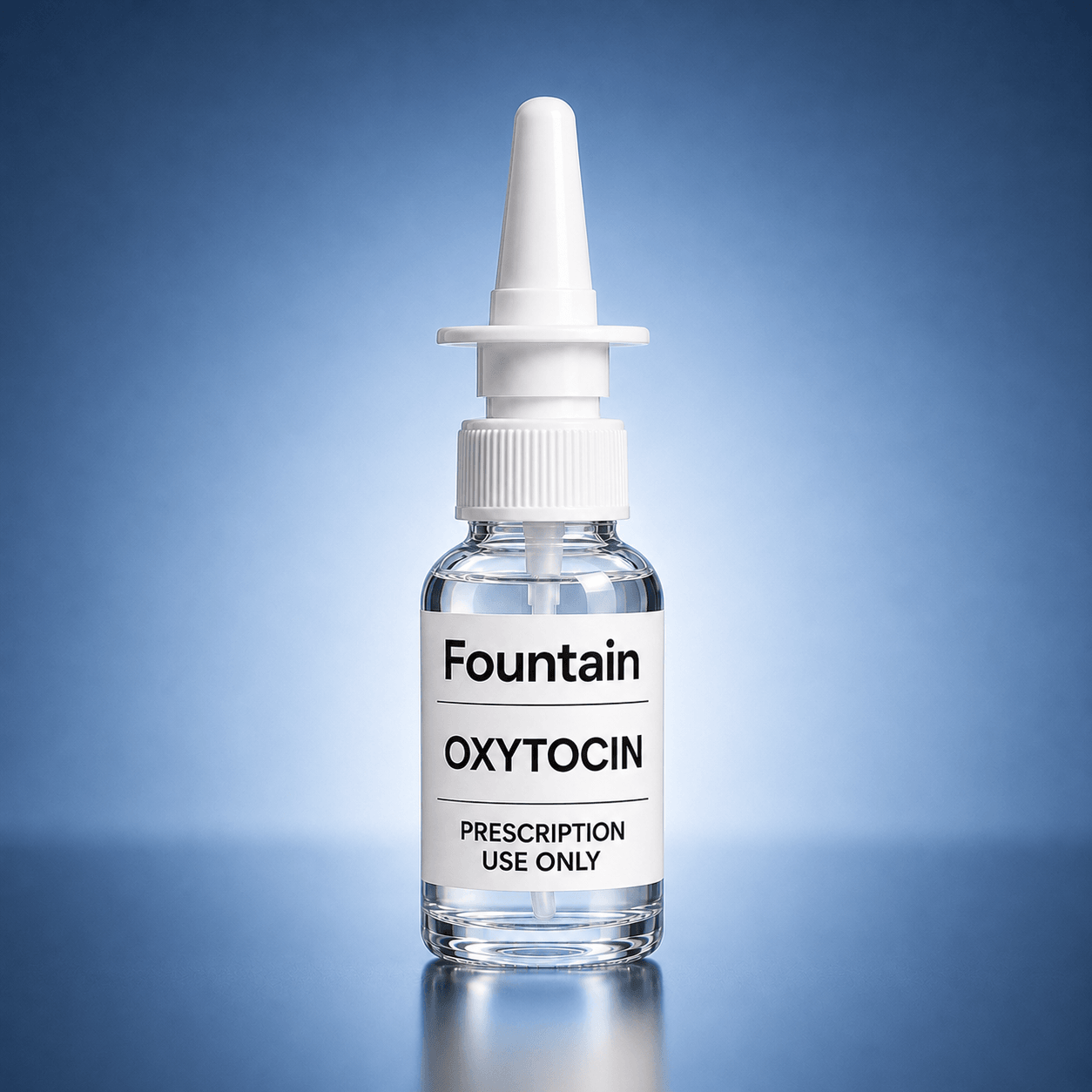
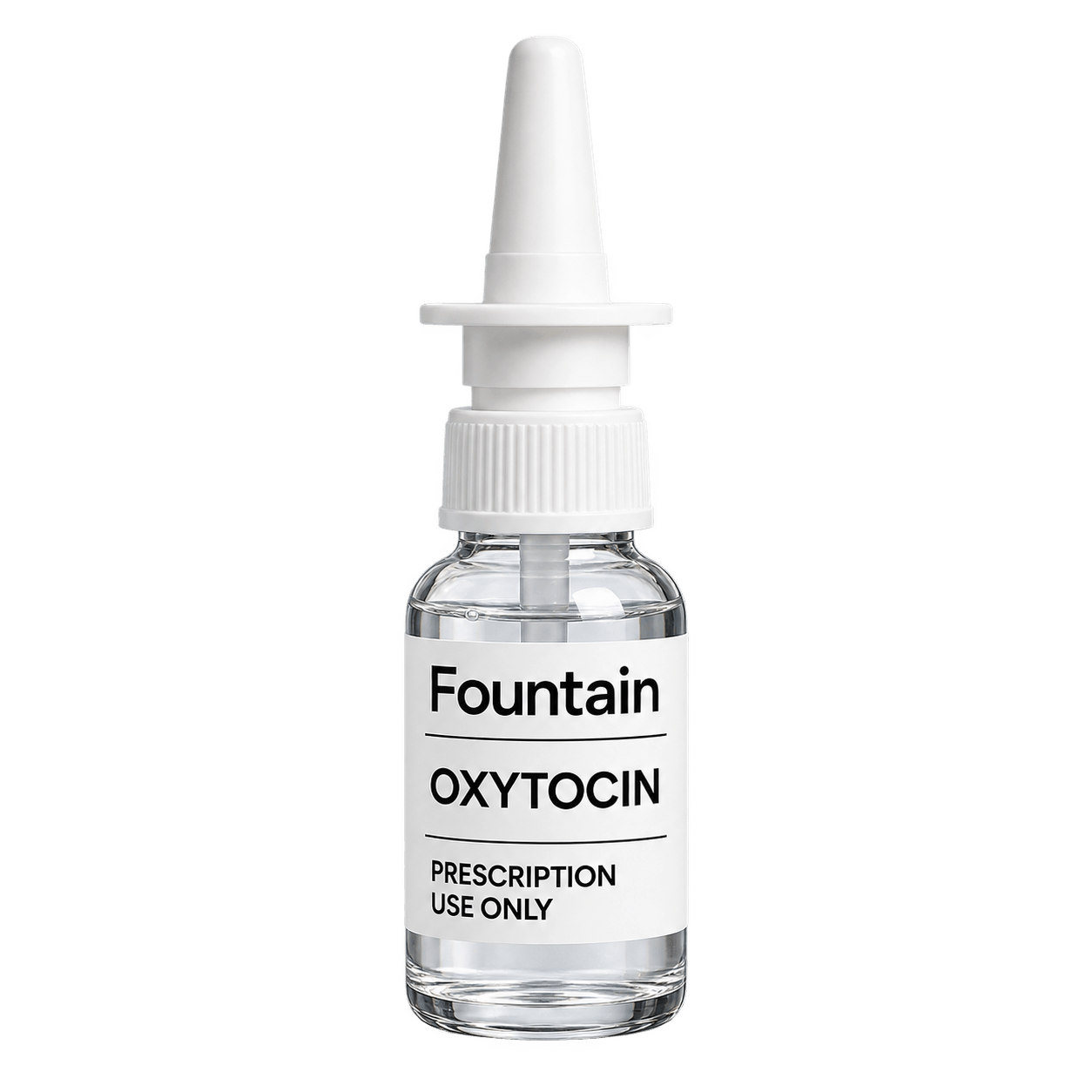
Oxytocin therapy uses synthetic forms of the naturally occurring "bonding hormone" to support emotional closeness, intimacy, and social connection. It may be helpful in relationships, during emotionally charged moments, or for people with social anxiety. Delivery forms include nasal sprays or sublingual troches taken under medical guidance.
- Increases feelings of trust and bonding
- Enhances sense of connection and emotional empathy
- Reduces stress and social anxiety
- May support intimacy in relationships
- Promotes emotional well-being and closeness
HSA/FSA reimbursable
No insurance required
Licensed US pharmacies
Select Your Supply
Oxytocin, often called the "love hormone" or "bonding hormone," plays a powerful role in regulating human connection. Naturally released during touch, childbirth, orgasm, and emotional bonding, oxytocin influences trust, empathy, and relaxation. Supplemental therapy via intranasal spray is designed to enhance those effects in specific contexts such as romantic relationships, emotional intimacy, or social anxiety. While not a “love drug,” it can amplify genuine feelings of connection and reduce social barriers.

Who Might Consider Oxytocin?
Oxytocin therapy may be appropriate for individuals looking to improve emotional closeness, reduce anxiety in social or romantic settings, or deepen relationship connection. It is often explored in the context of couples’ intimacy support or as an adjunct to mental health treatment under physician supervision.
1
Difficulty with social bonding or connection
Some individuals feel disconnected from others or struggle to develop meaningful relationships. Oxytocin may enhance the emotional cues and neurological patterns associated with connection, helping foster more natural feelings of trust and closeness.
2
Relationship intimacy challenges
In romantic partnerships where emotional or physical closeness has diminished, oxytocin can be used intentionally to help improve feelings of intimacy, empathy, and emotional safety—especially during shared moments.
3
Social anxiety or discomfort
People with social anxiety often experience heightened nervousness or avoidance in social situations. Oxytocin has shown promise in reducing activation in brain regions like the amygdala, potentially easing those symptoms.
4
Desire to enhance empathy and trust
Those looking to strengthen their capacity for emotional connection—either personally or professionally—may find oxytocin useful as a tool to support openness and receptivity.
5
Support for certain mental health protocols (consult required)
In some therapeutic settings, oxytocin may be used as part of treatment for attachment-related challenges, emotional regulation, or trauma-related difficulties—always under medical and psychological supervision.
How Oxytocin Works
Oxytocin interacts with specific receptors in the brain to regulate emotional processing, trust, social memory, and bonding. It can reduce cortisol (stress hormone) levels and promote activity in neural networks responsible for closeness, safety, and attachment. When administered exogenously via nasal spray or sublingual tablet, it may modestly cross into the brain and support these effects in appropriate contexts.

How It Works in Your Brain
Binds to oxytocin receptors (OTR) in brain regions
Calms the amygdala, reducing fear and anxiety
Activates reward centers like the nucleus accumbens
Improves social recognition and emotional responsiveness
Decreases cortisol (stress hormone) levels
Encourages feelings of warmth, trust, and empathy
Explore Our Programs
Discover more specialized treatments and services offered at Fountain


Frequently Asked Questions
Everything you need to know about Oxytocin Therapy treatment
Enhance Your Connection with Oxytocin
Compounded medications provided through Fountain Health's platform are only available to patients with a valid prescription who medically qualify after consultation with a licensed health care practitioner. Compounded medications are not FDA-approved — they have not undergone FDA review for safety or efficacy before being dispensed, and have not been demonstrated to the FDA to be safe or effective. Stylized product images are for marketing purposes only and do not reflect the actual label or size of the prescription vial or bottle.