
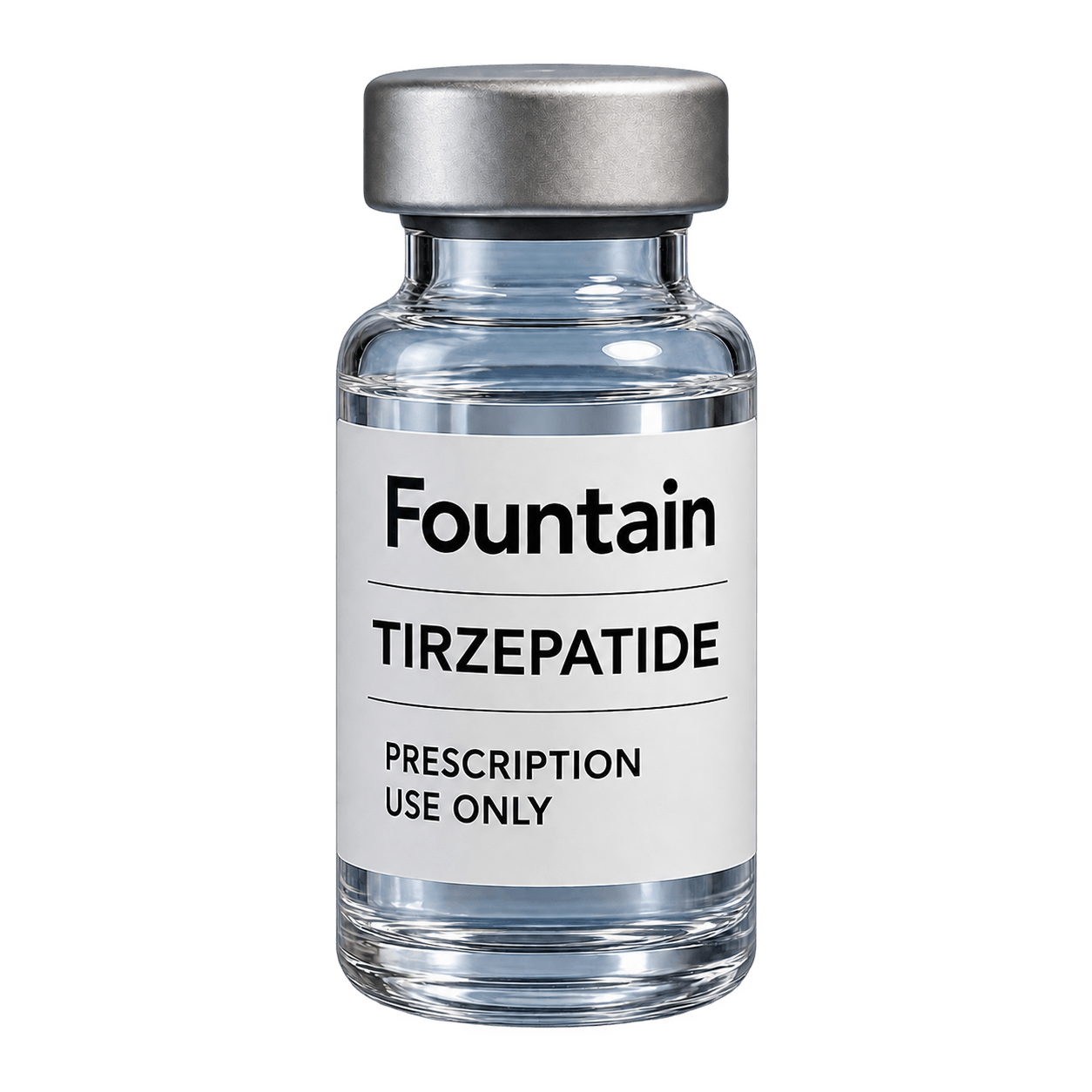
Weight Management
Tirzepatide
Dual GIP/GLP-1 receptor agonist for weight management and metabolic health.

Semaglutide's effectiveness in weight management has been demonstrated in numerous clinical trials, showcasing its potential beyond diabetes treatment. By targeting the GLP-1 receptors, it not only aids in reducing hunger but also enhances the feeling of fullness after meals. This dual action makes it a promising option for individuals struggling with obesity or those needing to manage their weight for health reasons.
Semaglutide is a GLP-1 (glucagon-like peptide-1) receptor agonist that helps regulate appetite, food intake, and blood sugar control. Originally developed for type 2 diabetes, it has gained recognition for supporting sustainable weight loss through its actions on appetite centers in the brain and digestive processes.

Semaglutide is indicated for adults with obesity (BMI ≥30) or overweight (BMI ≥27) with at least one weight-related condition, as well as those with type 2 diabetes requiring improved glycemic control.
For individuals with a BMI over 30, or over 27 with weight-related complications, semaglutide offers a medical approach to weight management that addresses underlying hormonal factors affecting appetite regulation and metabolism.
Many patients struggle with persistent hunger and food cravings that sabotage weight loss efforts. Semaglutide helps regulate these sensations by acting on appetite centers in the brain, making consistent calorie reduction more sustainable.
Conditions like high blood pressure, sleep apnea, osteoarthritis, and fatty liver disease often improve with weight loss. Semaglutide can be particularly beneficial for patients where weight management is part of treating these conditions.
For patients with type 2 diabetes, semaglutide offers dual benefits of improved glycemic control and weight loss, often reducing the need for other diabetes medications and potentially slowing disease progression.
In those with prediabetes or insulin resistance, semaglutide may help prevent progression to diabetes while supporting weight management goals that are critical for metabolic health.
Weight loss achieved with semaglutide is often accompanied by improvements in cardiovascular risk factors including blood pressure, cholesterol profiles, and inflammatory markers, potentially reducing overall cardiac risk.
Semaglutide is a synthetic analog of the natural hormone GLP-1 (glucagon-like peptide-1), which is normally released after eating. The medication works through multiple complementary mechanisms. In the brain, semaglutide acts on appetite centers to reduce hunger signals and increase feelings of fullness or satiety. In the digestive system, it slows gastric emptying, helping you feel full longer after meals. It also affects insulin and glucagon release to regulate blood sugar levels. These combined effects typically lead to reduced food intake, increased satisfaction from smaller meals, and gradual, sustainable weight loss for most patients.

Explore our other treatment options that may complement or offer alternatives to Semaglutide.
Weight Management
Dual GIP/GLP-1 receptor agonist for weight management and metabolic health.
Discover more specialized treatments and services offered at Fountain
Everything you need to know about Semaglutide treatment
Compounded medications provided through Fountain Health's platform are only available to patients with a valid prescription who medically qualify after consultation with a licensed health care practitioner. Compounded medications are not FDA-approved — they have not undergone FDA review for safety or efficacy before being dispensed, and have not been demonstrated to the FDA to be safe or effective. Stylized product images are for marketing purposes only and do not reflect the actual label or size of the prescription vial or bottle.


